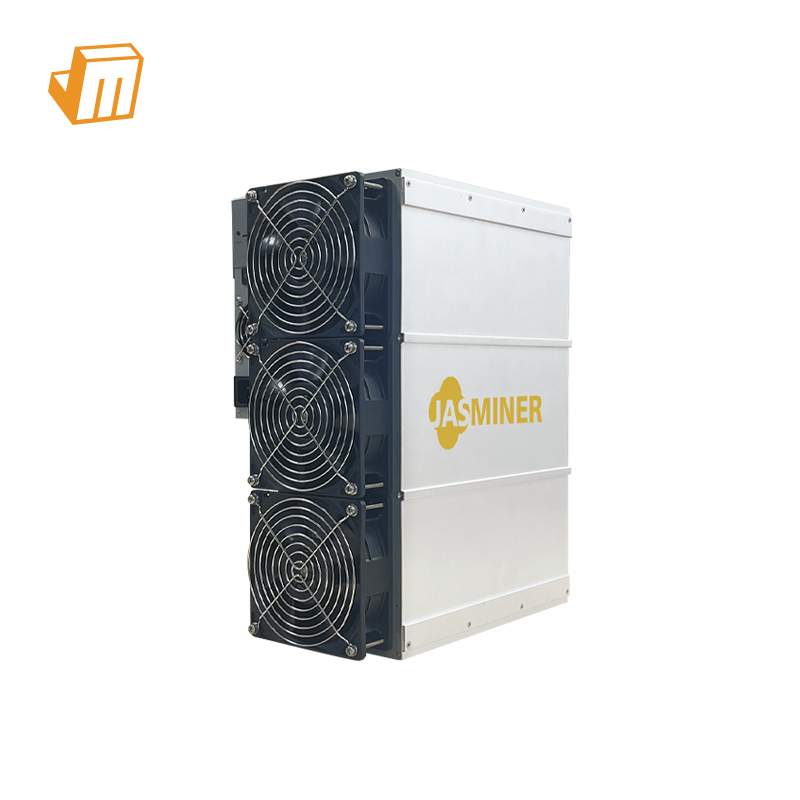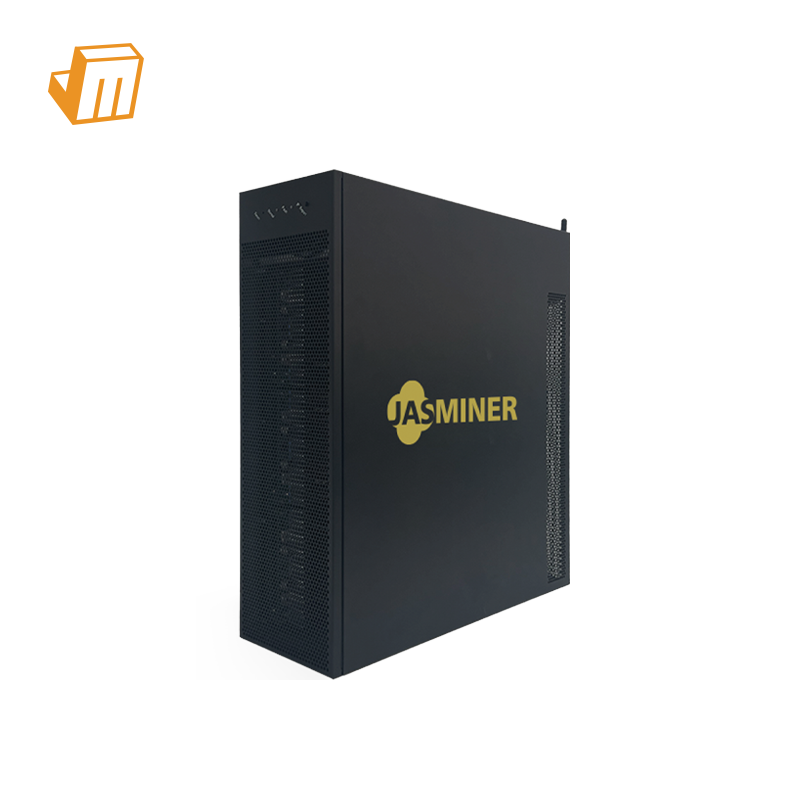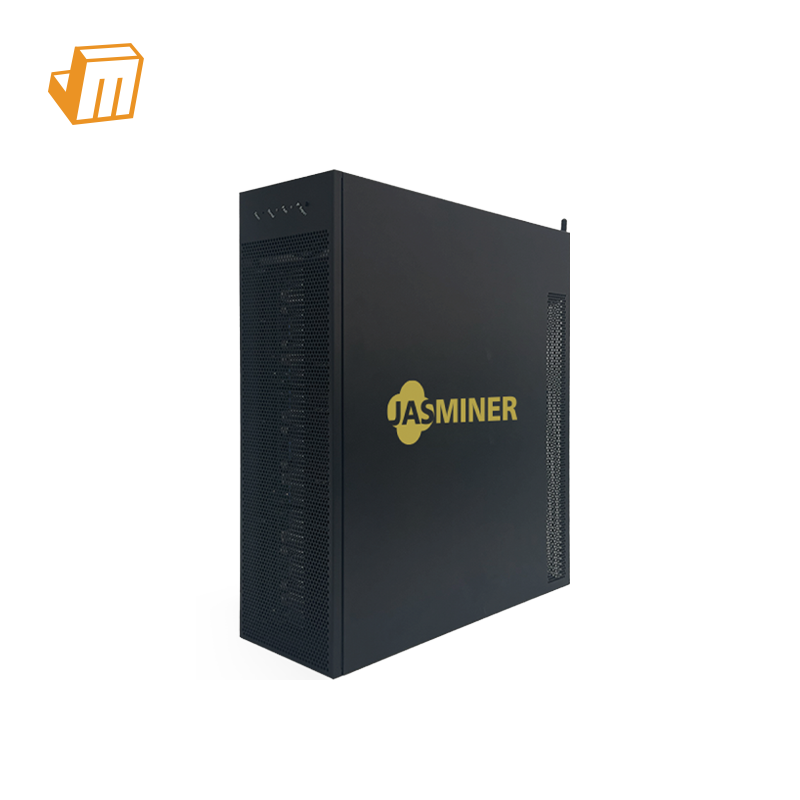
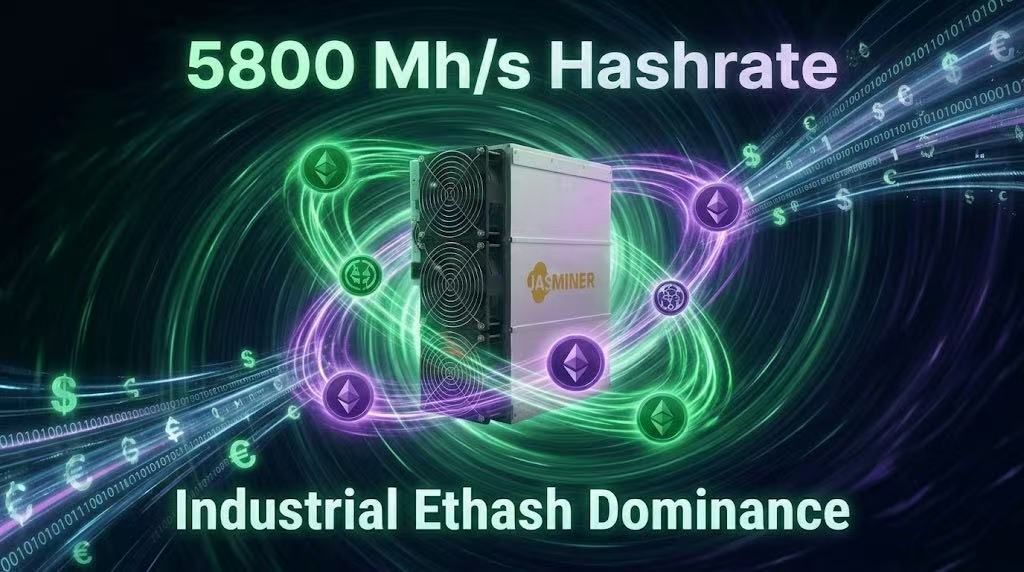
Selezionare l'hardware giusto per il mining di Ethereum Classic (ETC) richiede un bilanciamento tra potenza computazionale grezza e i vincoli specifici del proprio ambiente di implementazione. La serie Jasminer X16 è emersa come una forza dominante nel mercato EtHash/Etchash, offrendo una gamma versatile di hardware progettato per diverse esigenze operative. Per gli operatori professionali, il Jasminer X16-P si distingue come un'unità ad alta densità, offrendo un hashrate sostanziale di 5800 MH/s progettato per data center dove il flusso d'aria e l'infrastruttura elettrica sono prioritarie. Al contrario, l'X16-Q è progettato per utenti domestici, utilizzando un fattore di forma di livello server ma silenzioso che gestisce il calore in modo efficiente senza i livelli di rumore disturbanti tipici delle apparecchiature industriali.
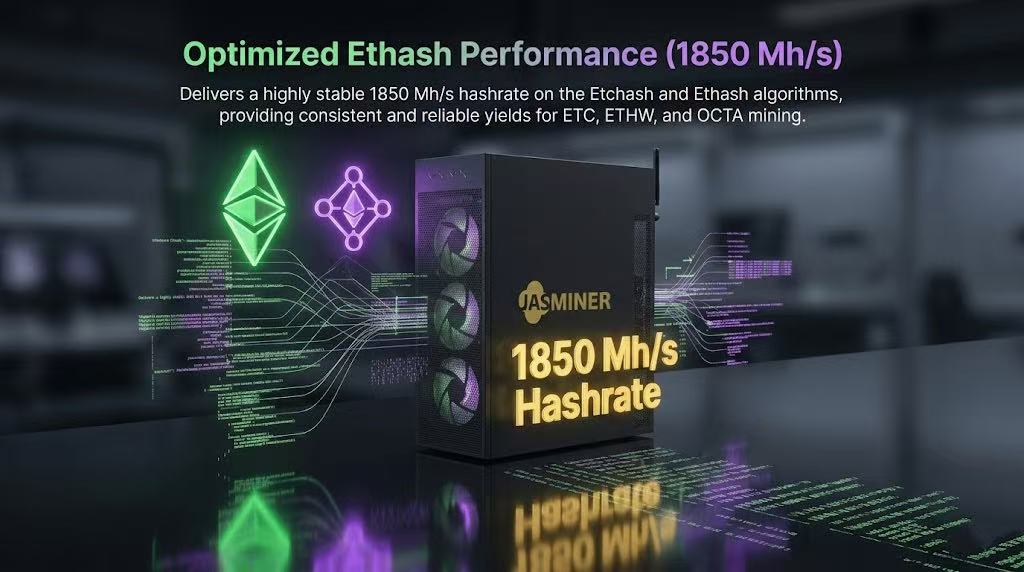
Tra questi due estremi si colloca la linea X16-QE, con varianti da 1650 MH/s, 1750 MH/s e 1850 MH/s. Questi modelli offrono un terreno intermedio strategico, permettendo ai miner di ottimizzare il loro investimento in base a specifici obiettivi di efficienza e capitale disponibile. Che tu stia scalando una struttura multi-rack o configurando la tua prima configurazione di mining domestica silenziosa, comprendere i compromessi tra consumo energetico, rendimento giornaliero e produzione termica è essenziale. Questa guida analizza le specifiche tecniche e il potenziale ROI della linea di prodotti X16 per aiutarti a identificare quale unità Jasminer si allinea con la tua strategia di mining a lungo termine.
Matrice di Abbinamento per l'Acquirente: Identificare il Modello Jasminer X16 Giusto per il Tuo Ambiente
Selezionare il miner Jasminer X16 corretto dipende principalmente dalla tua infrastruttura disponibile, dalla tolleranza al rumore e dagli obiettivi di spesa in conto capitale, piuttosto che dal solo hashrate grezzo. Mentre l'intera gamma X16 si concentra sul mining ad alta efficienza EtHash ed Etchash, l'hardware è suddiviso in tre percorsi di implementazione distinti: l'X16-P di livello server per rack industriali, l'X16-Q ultra-silenzioso per spazi residenziali e la serie X16-QE per lo scaling focalizzato sull'efficienza.
Il Jasminer X16-P è la scelta definitiva per operatori professionali che hanno accesso a raffreddamento dedicato e rack server 3U, offrendo un'uscita ad alta densità di 5800 MH/s che massimizza lo spazio. Al contrario, gli utenti domestici dovrebbero orientarsi verso l'X16-Q, che utilizza un chassis piatto e ottimizzato per le ventole progettato per mantenere un livello di rumore inferiore a 40 dB. Questo lo rende adatto per aree abitative dove un miner industriale standard sarebbe eccessivamente rumoroso.
Per coloro che bilanciano i costi di investimento iniziale con le spese elettriche a lungo termine, le varianti X16-QE—che vanno da 1650 MH/s a 1850 MH/s—forniscono un terreno intermedio. Queste unità sono spesso favorite da miner di media scala che necessitano di un mix di mining ETC ad alta efficienza e consumo energetico gestibile. Abbinando il tuo ambiente specifico a questi profili hardware, garantisci che la tua implementazione rimanga sostenibile dal punto di vista operativo. Che tu dia priorità al rendimento massimo della bandiera da 1850 MH/s o al funzionamento silenzioso di una configurazione per home-office, comprendere questi vincoli ambientali è il primo passo verso un ROI di successo.
Il Jasminer X16-P: Prestazioni Professionali per Operazioni di Mining ad Alta Densità
Il Jasminer X16-P è progettato per ambienti industriali dove massimizzare la densità di hash per unità di rack è l'obiettivo principale. A differenza delle sue controparti orientate alla casa, l'X16-P dà priorità all'output grezzo e alla resistenza termica, offrendo un formidabile hashrate di 5800 MH/s consumando circa 1900W. Questo profilo di prestazioni lo rende la scelta definitiva per operatori professionali che hanno accesso a infrastrutture di raffreddamento dedicate e energia industriale a basso costo.
Per implementazioni ad alta densità, il rapporto hashrate e consumo energetico del Jasminer X16-P rappresenta un cambiamento strategico verso uno scaling aggressivo. Mentre l'unità genera un rumore significativo a causa delle sue ventole di raffreddamento ad alto RPM, questo è un compromesso necessario per mantenere temperature stabili dei chip durante il funzionamento 24/7 sull'algoritmo Etchash. Gli operatori esperti spesso favoriscono questo modello perché consolida la potenza di quasi quattro miner domestici standard in un unico chassis, riducendo drasticamente la complessità della gestione di rete e del cablaggio PDU in un ambiente server room.
Valutare la redditività e il ROI del Jasminer X16-P richiede una chiara comprensione delle tue spese elettriche locali. Poiché consuma 1900W, è più efficace nelle regioni dove il costo dell'energia rimane inferiore a $0,08 per kWh. Quando queste condizioni sono soddisfatte, l'X16-P spesso raggiunge un punto di pareggio più veloce rispetto ai modelli a wattaggio inferiore grazie al suo enorme rendimento giornaliero. Per coloro che cercano dove acquistare il Jasminer X16-P in stock, verificare la disponibilità del lotto corrente è essenziale, poiché questa bandiera ad alta domanda spesso funge da spina dorsale per le farm di mining commerciali di Ethereum Classic a livello globale.
Recensione Jasminer X16-Q: Lo Standard del Settore per la Configurazione di Mining Domestico Silenzioso
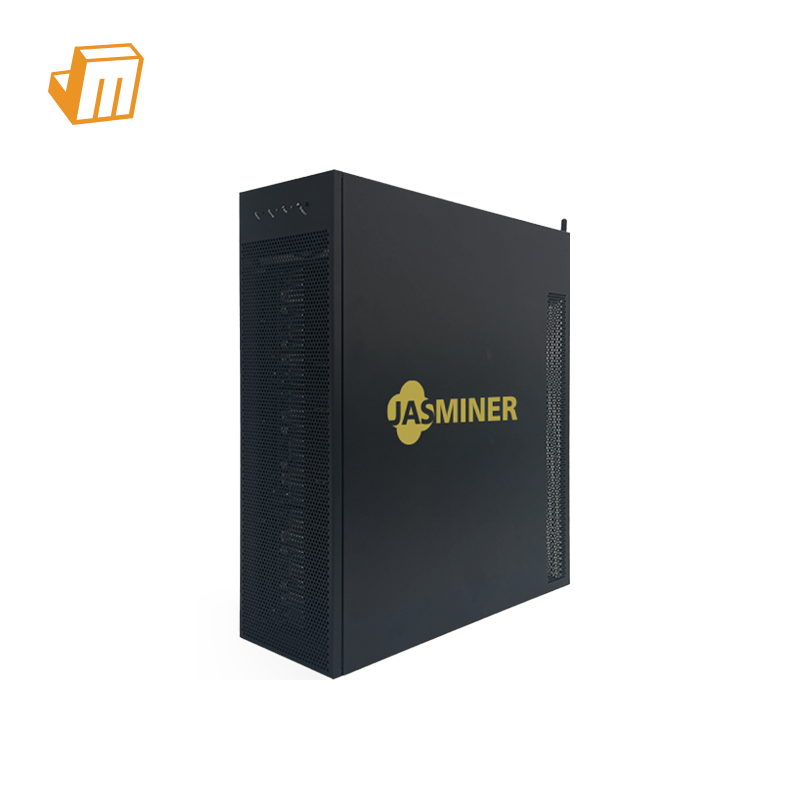
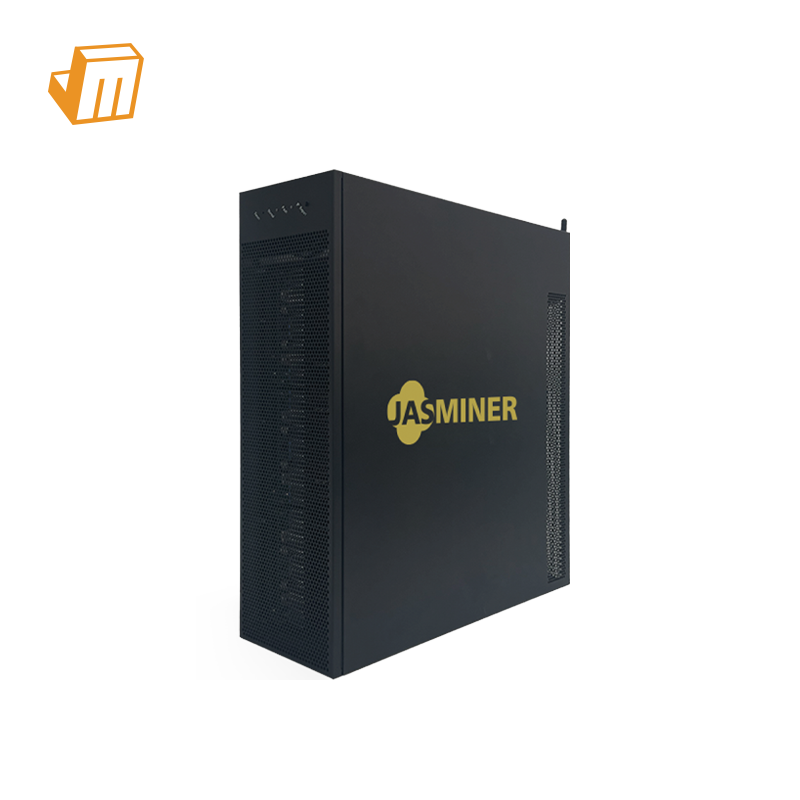
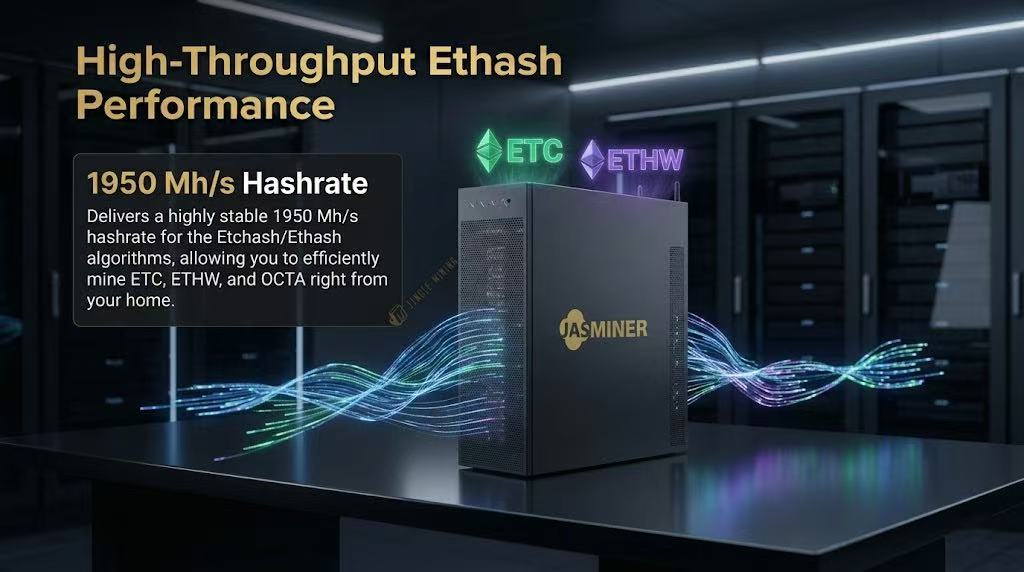
Il Jasminer X16-Q è specificamente progettato per gli appassionati che danno priorità alla soppressione del rumore e al fattore di forma, servendo come scelta principale per il mining ETC residenziale o in ufficio. A differenza delle sue controparti industriali ad alta potenza, l'X16-Q utilizza un design da rack server 3U che si integra perfettamente nelle configurazioni di rete domestiche standard mantenendo un livello di rumore di circa 40 dB. Questo funzionamento silenzioso è ottenuto attraverso un sistema di gestione termica ottimizzato che utilizza ventole ad alta efficienza a rotazione più lenta, eliminando efficacemente il fischio acuto tipicamente associato all'hardware ASIC.
Prestazioni e Integrazione Ambientale
Offrendo un hashrate di 1950 MH/s con un consumo di 620W, l'X16-Q bilancia una discreta potenza di calcolo con un'impronta energetica ultra-bassa. Per un utente domestico, questo si traduce in una macchina che può funzionare su un circuito domestico standard senza aggiornamenti elettrici specializzati. Calcolando il potenziale di profitto giornaliero, il rapporto di efficienza di circa 0,32 J/MH garantisce che l'unità rimanga valida anche durante periodi di volatilità del mercato. Rappresenta un compromesso strategico: scambi la potenza grezza e aggressiva dell'X16-P per un'unità che può stare in un soggiorno o in una cantina senza disturbare l'ambiente domestico.
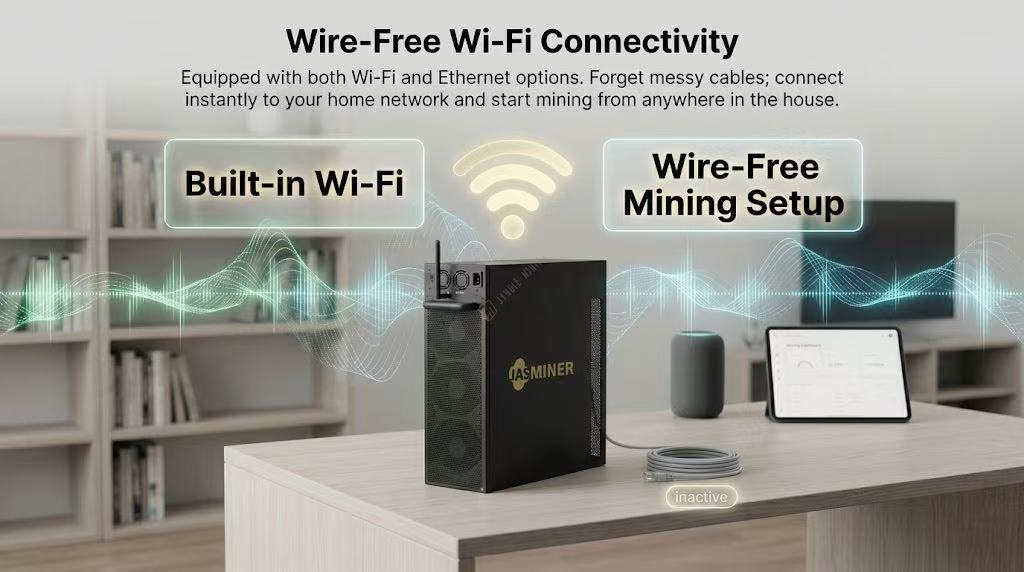
Per gli operatori che cercano di acquistare il Jasminer X16-Q, il valore principale risiede nella sua natura "plug-and-play". La guida di configurazione è semplice, richiedendo solo una connessione Ethernet stabile e un indirizzo wallet ETC compatibile per iniziare a fare hashing. Sebbene non possa eguagliare la densità di una farm commerciale, la sua affidabilità e il profilo silenzioso lo rendono il punto di ingresso più accessibile per coloro che scalano un'operazione di mining decentralizzata e silenziosa da casa.
Efficienza vs Hashrate: Analisi delle Varianti Jasminer X16-QE da 1650MH a 1850MH
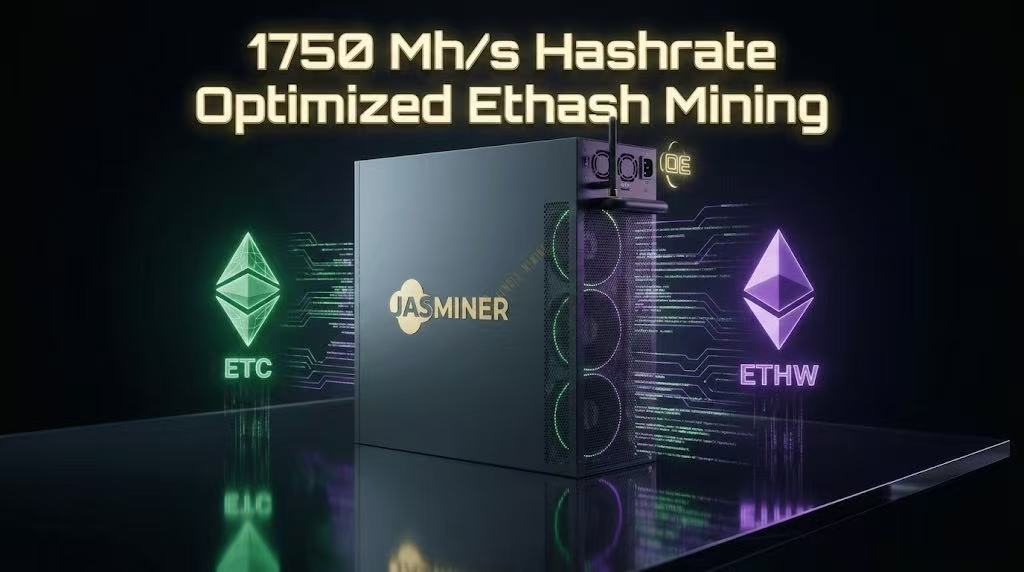
La serie Jasminer X16-QE rappresenta l'evoluzione dell'efficienza degli algoritmi EtHash ed Etchash, progettata specificamente per coloro che necessitano di un terreno intermedio tra il silenzioso X16-Q e l'ad alta potenza X16-P. Questa gamma è categorizzata in tre livelli di prestazioni distinti—1650 MH/s, 1750 MH/s e 1850 MH/s—permettendo agli operatori di ottimizzare il loro approvvigionamento hardware in base a specifici costi energetici e disponibilità di spazio rack. Sebbene tutte e tre le varianti condividano lo stesso fattore di forma 3U, la variazione nella qualità del silicio e nelle velocità di clock significa che la bandiera Jasminer X16-QE 1850MH offre la densità più alta per implementazioni più grandi, mentre il modello 1650MH spesso serve come punto di ingresso ad alta efficienza con un requisito di capitale iniziale inferiore.
Quando si conduce un'analisi di redditività del Jasminer X16-QE 1650MH, diventa chiaro che questo modello è il "leader di efficienza" del gruppo, consumando spesso circa 520W. Passando al Jasminer X16-QE 1750MH si ottiene un rendimento di mining giornaliero bilanciato che compensa un consumo energetico leggermente più alto, rendendolo la scelta più popolare per operazioni di media scala. Per coloro che danno priorità alle prestazioni assolute, la bandiera Jasminer X16-QE 1850MH massimizza il rapporto hashrate-spazio. Sebbene la versione 1850MH richieda l'investimento iniziale più alto, la sua superiore previsione di ROI è guidata dalla sua capacità di ottenere più ricompense di blocco al giorno durante periodi di alta difficoltà di rete. In definitiva, scegliere tra queste unità comporta un compromesso tra minori spese generali di potenza e la potenza di elaborazione grezza necessaria per competere nel crescente ecosistema di mining ETC.
Specifiche Tecniche: Confronto del Consumo Energetico e del Rendimento nella Linea di Prodotti X16
Il principale fattore differenziante nella serie Jasminer X16 risiede nel bilanciamento tra potenza di hashing grezza e spese elettriche generali, determinando quanto delle tue entrate giornaliere viene trattenuto dopo i costi dell'energia. Sebbene tutti i modelli utilizzino la stessa architettura ad alta efficienza EtHash/Etchash, l'X16-P guida la gamma con un enorme hashrate di 5800 MH/s a 1900W, offrendo il rendimento più alto per unità per gli operatori industriali. Al contrario, le varianti X16-Q e X16-QE si concentrano su un profilo di potenza di medio raggio, consumando tipicamente tra 550W e 630W per produrre hashrate che vanno da 1650 MH/s a 1950 MH/s.
Valutando specificamente le varianti Jasminer X16-QE, le unità da 1650 MH/s, 1750 MH/s e 1850 MH/s rappresentano un approccio a livelli al binning del silicio. La bandiera X16-QE 1850 MH/s massimizza il rendimento di mining giornaliero spremendo più prestazioni dalla stessa impronta fisica, sebbene spesso con un leggero premio nel consumo energetico. Per gli operatori con alti costi dell'elettricità, i modelli da 1650 MH/s e 1750 MH/s possono offrire un rapporto di efficienza più attraente, potenzialmente accorciando i tempi per un completo ritorno sull'investimento.
In definitiva, la tua scelta dipende dal tuo specifico costo per kilowattora (kWh). Le implementazioni professionali che danno priorità alla densità troveranno il profilo hashrate e consumo energetico dell'X16-P più efficace per lo scaling. Al contrario, gli utenti domestici dovrebbero monitorare da vicino i calcolatori di profitto giornaliero dell'X16-Q e X16-QE, poiché queste unità eccellono in ambienti residenziali dove una minore produzione di calore e un funzionamento silenzioso sono preziosi quanto l'ETC che generano.
Implementazione Operativa: Gestione Termica e Configurazione di Rete per l'Hardware X16
L'implementazione di successo dell'hardware Jasminer X16 dipende dall'adattamento dei requisiti di raffreddamento specifici di ciascun modello alla tua infrastruttura disponibile. Sebbene l'intera serie utilizzi gli algoritmi EtHash ed Etchash, i fattori di forma fisici dettano esigenze ambientali molto diverse. Per il Jasminer X16-P, la gestione termica professionale è essenziale; le sue ventole ad alta potenza muovono un volume significativo d'aria per dissipare il calore generato dal suo consumo di 1900W. Gli operatori dovrebbero garantire una configurazione cold-aisle/hot-aisle o sistemi di scarico ad alto CFM (piedi cubi al minuto) per prevenire il throttling termico, che può degradare l'hashrate e accorciare la durata degli ASIC.
Al contrario, i modelli Jasminer X16-Q e QE sono progettati con un chassis rack-mount 3U di livello server che dà priorità all'efficienza del flusso d'aria integrato. Per le configurazioni di mining domestico, l'X16-Q è particolarmente indulgente, richiedendo solo una temperatura ambiente stabile inferiore a 35°C e uno spazio sufficiente per le sue ventole a funzionamento silenzioso. Su
Strategia di Investimento: Calcolo del ROI e Scalabilità nell'Attuale Ecosistema ETC
Massimizzare il ROI con la serie Jasminer X16 richiede bilanciare i costi hardware iniziali con la stabilità a lungo termine delle tariffe elettriche e la difficoltà prevista dell'algoritmo Etchash. Sebbene la bandiera X16-P offra il percorso più veloce verso rendimenti ad alto volume per operatori industriali, la serie X16-QE spesso rappresenta il punto di ingresso più strategico per coloro che scalano un'operazione di media dimensione. Selezionando una variante come la QE da 1850 MH/s, i miner possono catturare prestazioni quasi premium mantenendo un costo per megahash più favorevole, accorciando efficacemente il periodo di ammortamento in un mercato ETC fluttuante.
Per gli utenti domestici, la logica di investimento si sposta dalla pura potenza grezza alla longevità operativa e al valore secondario. L'X16-Q può avere un costo leggermente più alto per unità di hashrate rispetto alla serie P industriale, ma la sua capacità di operare in ambienti residenziali senza infrastrutture di raffreddamento o insonorizzazione specializzate risparmia migliaia di CAPEX nascosti. Quando si calcolano i rendimenti di mining giornalieri, gli utenti dovrebbero utilizzare un calcolatore di redditività in tempo reale per tenere conto dell'attuale difficoltà di rete, garantendo che il modello Jasminer scelto mantenga un margine sano sopra i costi delle utenze locali.
In definitiva, la scalabilità è il fattore determinante per il successo a lungo termine. Gli operatori professionali dovrebbero favorire l'X16-P ad alta densità per massimizzare lo spazio rack, mentre gli appassionati che cercano una configurazione silenziosa ed efficiente troveranno i modelli X16-QE o X16-Q più adattabili. Indipendentemente dall'hardware specifico, assicurarsi l'attrezzatura da un distributore affidabile con stock verificato garantisce che la tua implementazione inizi a guadagnare immediatamente, proteggendo il tuo capitale dai rapidi cambiamenti dell'ecosistema di mining crypto.
FAQ
D: Quale modello Jasminer X16 è migliore per un appartamento residenziale o un ambiente d'ufficio?
R: Il Jasminer X16-Q è la scelta ottimale per ambienti domestici grazie al suo design specializzato senza server room e al basso livello di rumore. Mentre i modelli industriali come l'X16-P richiedono raffreddamento dedicato e isolamento acustico, l'X16-Q funziona in modo abbastanza silenzioso da stare in uno spazio abitativo o in ufficio senza disturbi.
D: In che modo le varianti X16-QE differiscono in termini di efficienza e rendimento di mining?
R: La serie X16-QE offre tre livelli—1650 MH/s, 1750 MH/s e 1850 MH/s—permettendo agli acquirenti di bilanciare il costo iniziale con le entrate giornaliere. Sebbene la bandiera da 1850 MH/s fornisca il profitto massimo più alto, le versioni da 1650 MH/s e 1750 MH/s spesso forniscono un ROI più veloce per gli operatori focalizzati su prezzi di ingresso più bassi e alta efficienza energetica.
D: La serie Jasminer X16 può minare monete diverse da Ethereum Classic?
R: Sì, tutti i modelli Jasminer X16 sono compatibili con gli algoritmi EtHash ed Etchash, il che significa che possono minare Ethereum Classic (ETC), EthereumPoW (ETHW) e altre Altcoin supportate. Questa flessibilità permette ai miner di cambiare pool o asset in base alla redditività corrente e alla difficoltà di rete.